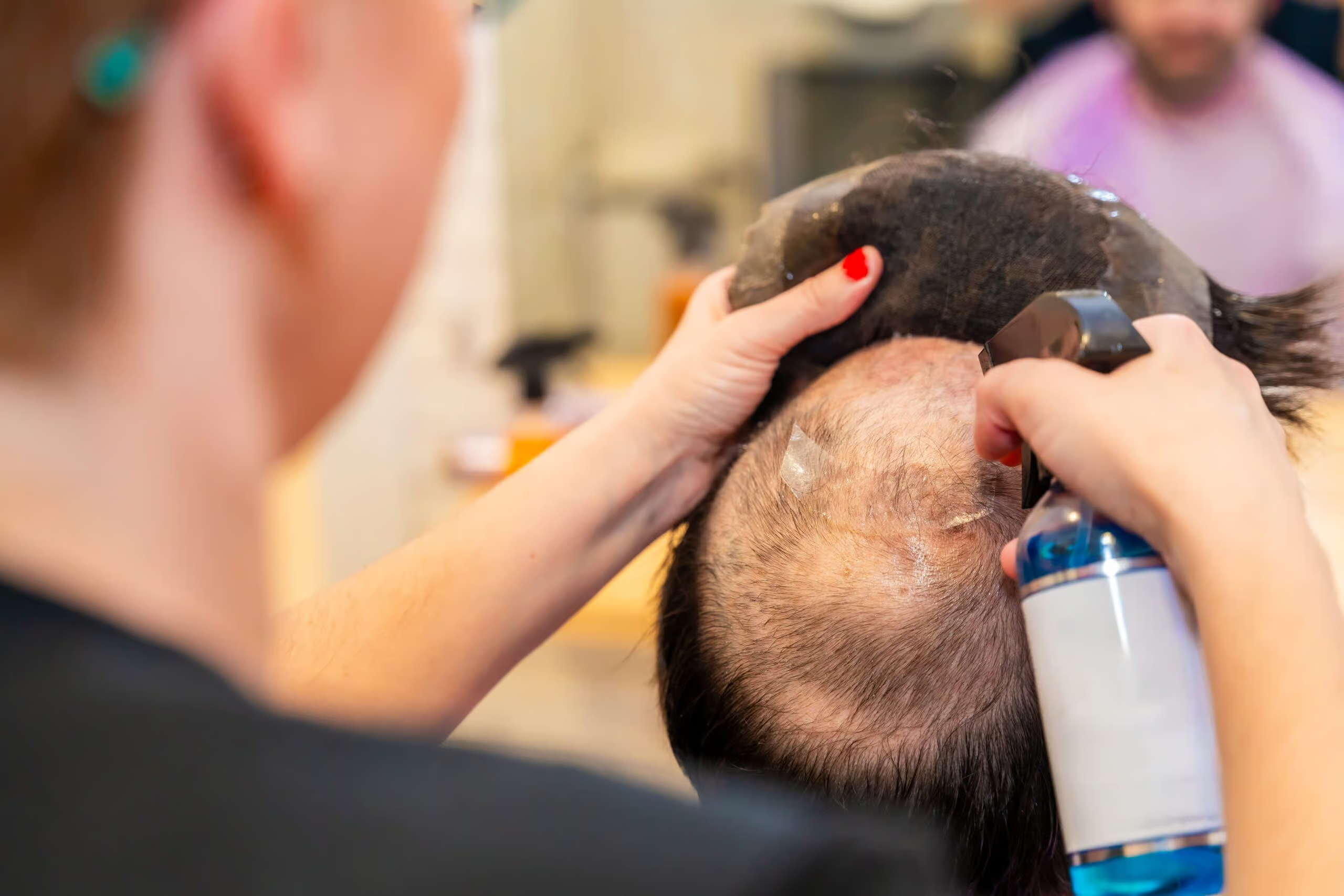
The best hair replacement system is not the most impressive one in an advertisement. It is the one that suits your scalp, coverage, appearance, lifestyle, comfort, and maintenance preferences.
Choosing a system should be personal. Some people want a low-maintenance style, while others want greater flexibility. One client may prioritize a delicate hairline. Another may need durability for exercise and outdoor activity.
Understanding the main decisions will help you ask better questions and choose with greater confidence.
Begin With the Coverage You Actually Need
Identify where hair loss is most visible, such as the temples, hairline, part, crown, top, or several areas. The goal is to restore the needed coverage without using more system than necessary.
A partial system may blend with existing hair, while extensive thinning may require fuller coverage. Shape and size should be customized to the individual.
A specialist should also consider whether the hair loss pattern is stable or changing. Sudden or unexplained hair loss should be discussed with a healthcare professional, as cosmetic hair replacement does not diagnose or treat an underlying medical cause.
Decide What a Natural Result Means to You
“Natural-looking” is not one fixed style. It means the color, density, texture, hairline, and cut look believable on the person wearing the system.
Some clients want to recreate the hair they had before thinning. Others want an updated style. Reference photos can help, but the final design should suit your face, age, natural hair, and preferred level of styling.
For many men, the front edge is the most important detail. Our guide to creating a natural hairline with men’s hair replacement explains how shape, density, placement, and styling influence the result.
Compare Base Materials and Comfort
The base holds the hair and sits against the scalp. Different constructions can emphasize appearance, breathability, durability, or attachment options.
A finer base may create a delicate visual transition. A more robust construction may suit clients who prioritize durability. The right choice depends on the complete design.
Tell the specialist about dryness, oiliness, sweating, irritation, allergies, or previous reactions. Comfort should shape the initial recommendation.
If irritation has been a concern, review these practical tips for itch-free hair replacement and discuss your scalp history during the consultation.
Choose Hair That Matches the Desired Result
Hair systems may use human hair, synthetic hair, or specialized options depending on the design. The choice affects appearance, feel, styling, care, availability, and cost.
Human hair offers familiar movement and styling flexibility but needs suitable care. Synthetic options may hold a style predictably and suit certain budgets, although their care differs.
Texture matters too. Straight, wavy, curly, and coiled hair behave differently. Color matching may blend shades, highlights, or gray for realistic depth.
Ask how the hair responds to heat, humidity, washing, sunlight, and styling. Choose an option you can care for consistently.
Get the Density and Hairline Right
Excessive density is one of the easiest ways to make a system look less believable. The density should suit the wearer and may need to vary from the hairline to the fuller areas.
The hairline should complement the face. A perfectly straight, low, or overly dense edge may look unnatural. Subtle graduation and careful placement can soften the transition.
Parting and crown direction affect styling. Discuss your usual part, whether you brush hair away from the face, and the flexibility you expect.
Match the System to Your Lifestyle
Your routine should shape the recommendation. Explain how often you exercise, swim, travel, wear hats, spend time outdoors, or work in heat and humidity. Also discuss whether you want to shower, sleep, and style your hair while wearing the system.
The right design and care plan can support an active lifestyle. Read more about sleeping, showering, and exercising in a hair system before your consultation.
Be realistic about time. Home care and professional appointments must fit your schedule.
Understand Attachment and Maintenance
Attachment options vary with the system, scalp, lifestyle, and wearing routine. The specialist should explain how the approach works and what service it requires.
Scalp oils, perspiration, product buildup, natural hair growth, and styling affect the system over time. Ask how often professional appointments are needed and what they include.
Home care may include approved cleansing, conditioning, detangling, drying, and styling. Follow instructions suited to the materials and attachment method.
Compare the Full Plan, Not Only the Initial Price
Cost matters, but the cheapest system may not offer the best fit, customization, service, or long-term value. Compare what is included in the plan:
- Design and customization
- Hair type and base construction
- Fitting, cut-in, and styling
- Home-care products or instructions
- Follow-up adjustments
- Professional maintenance
- Expected replacement planning
Ask about both the initial cost and ongoing schedule. A transparent plan makes budgeting easier.
Use a Consultation to Make the Final Choice
Online research cannot assess your scalp, hair loss pattern, natural hair, or preferred look. A private consultation lets you compare realistic options.
Hair Center of Palm Beach provides personalized, non-surgical solutions. Contact the Hair Center of Palm Beach to discuss coverage, comfort, style, and maintenance with a specialist.
With thoughtful customization and care, the right system should feel comfortable, look like you, and fit naturally into your life.